
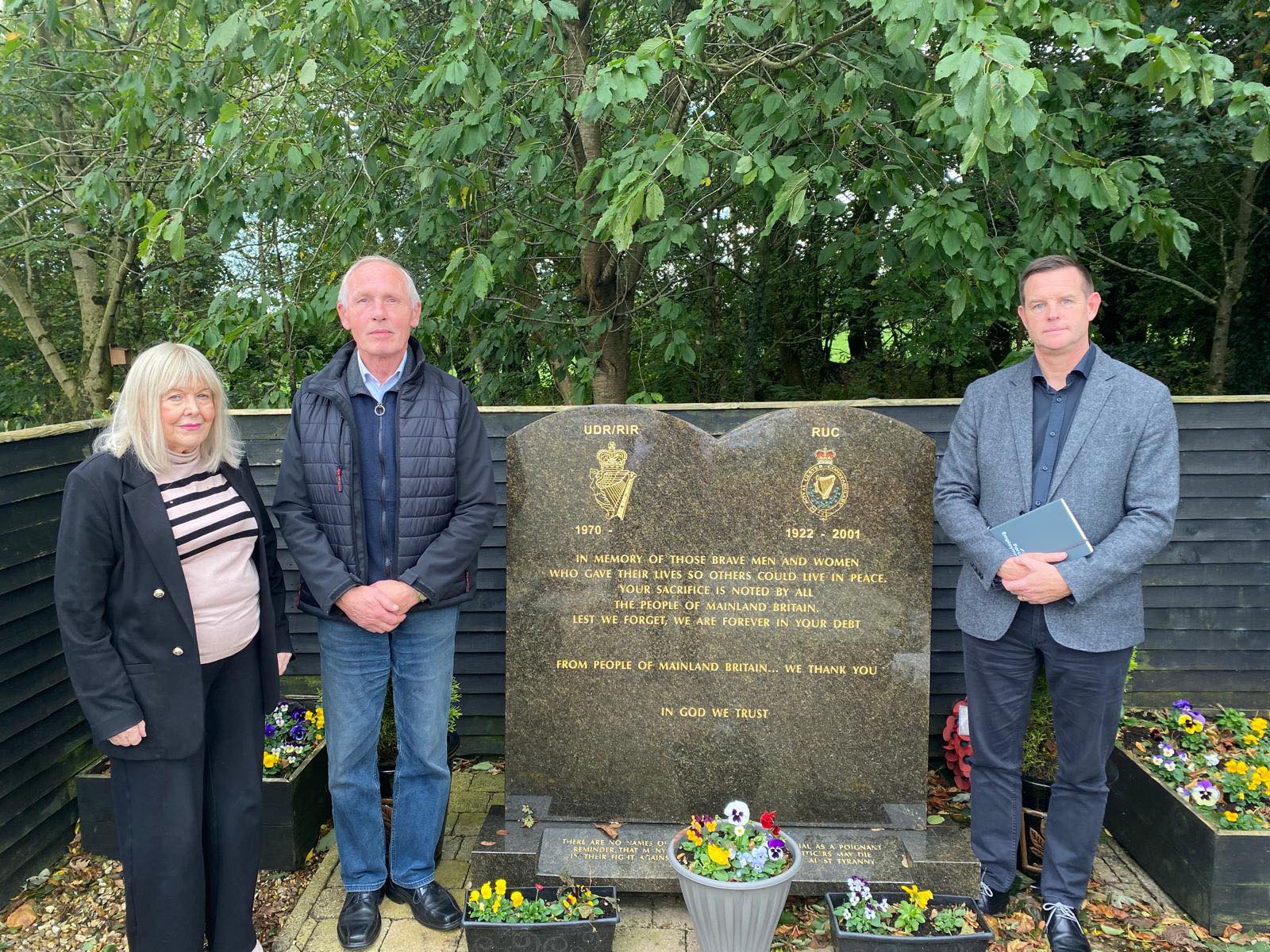
FAIR Meeting with Veterans Commissioner
FAIR – Families Acting for Innocent Relatives – recently held a constructive and heartfelt meeting with the Northern Ireland Veterans Commissioner to discuss the evolving Legacy Framework and its implications for those who served during the Troubles.
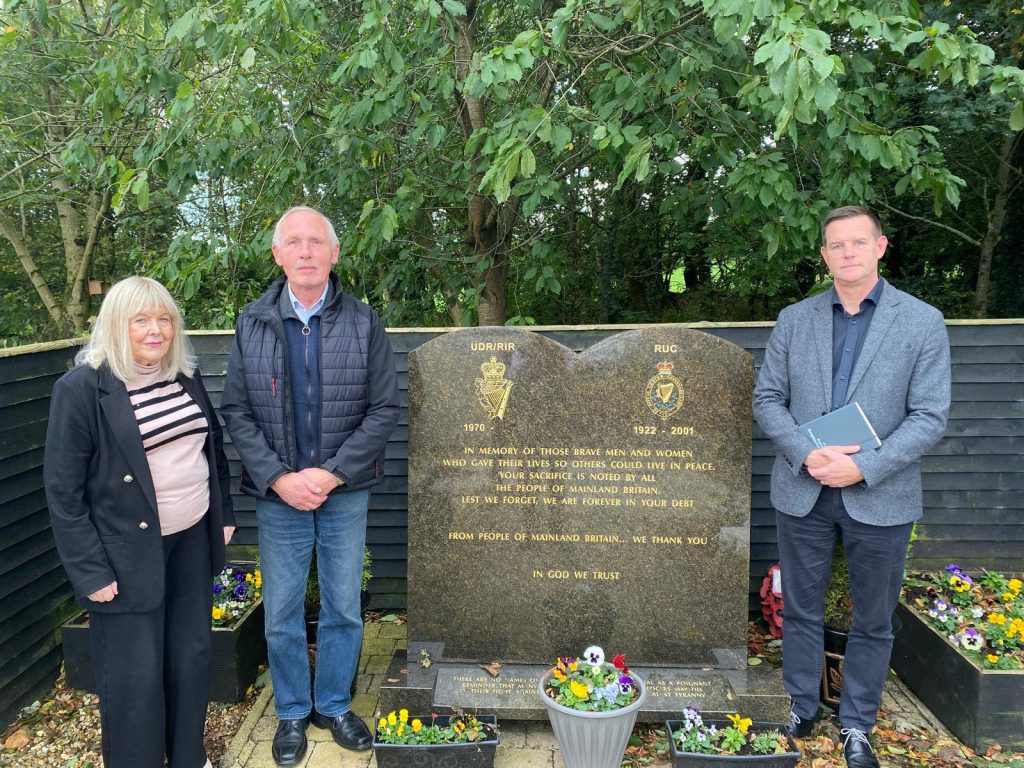
The meeting began with a solemn reflection on the first British Army casualties in South Armagh, honouring their sacrifice and acknowledging the enduring pain felt by their families. FAIR reiterated its long-standing concern over the failure of the Irish Government to secure the border against terrorist incursions during that period, a failure that contributed to the loss of life and the destabilisation of communities.
The Commissioner outlined the scope and objectives of his office, including his commitment to representing the interests of veterans and ensuring their voices are heard in policy discussions. FAIR welcomed this clarity and expressed appreciation for the Commissioner’s engagement with grassroots organisations.
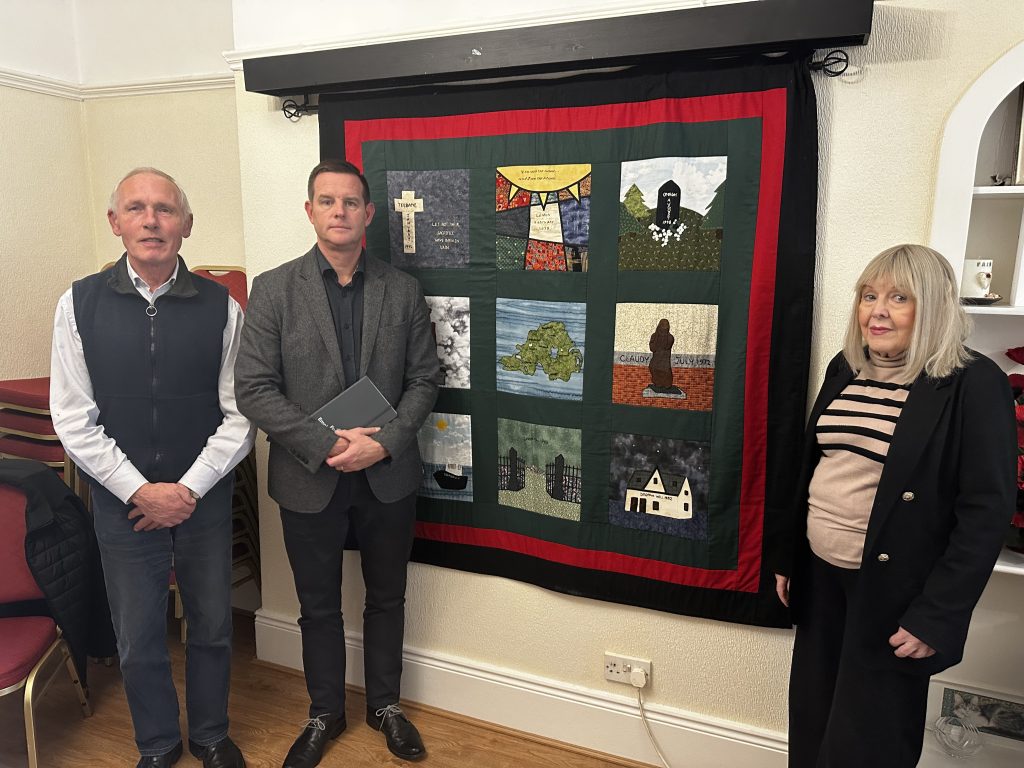
With many of FAIR’s members being veterans or families of those who served, the meeting provided a vital opportunity to articulate their concerns regarding the Legacy Framework. FAIR emphasised the need for truth and justice to be upheld, and for veterans not to be scapegoated or criminalised for their service in defence of democracy and the rule of law.
Key points raised included:
- The imbalance in legacy investigations and prosecutions.
- The emotional toll of persistent legal uncertainty on veterans and their families.
- The importance of recognising the context and complexity of service in Northern Ireland.
FAIR reaffirmed its commitment to supporting innocent victims and veterans alike, and called for a legacy process that is fair, transparent, and rooted in historical truth. A long and detailed discussion took place with a clear strategy for the future support of veterans agreed.
We thank the Veterans Commissioner for his time and engagement, and look forward to continued dialogue to ensure that the voices of those who served – and those who suffered – are not forgotten.

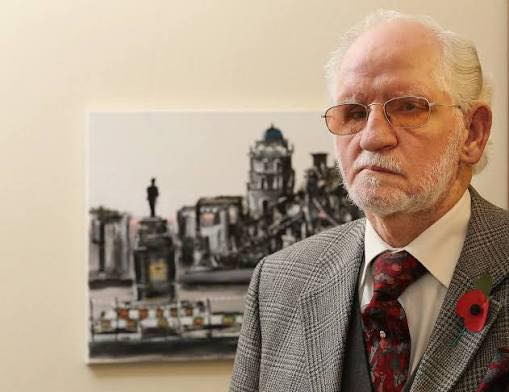
FAIR Reflects on the Life of Jim Dixon
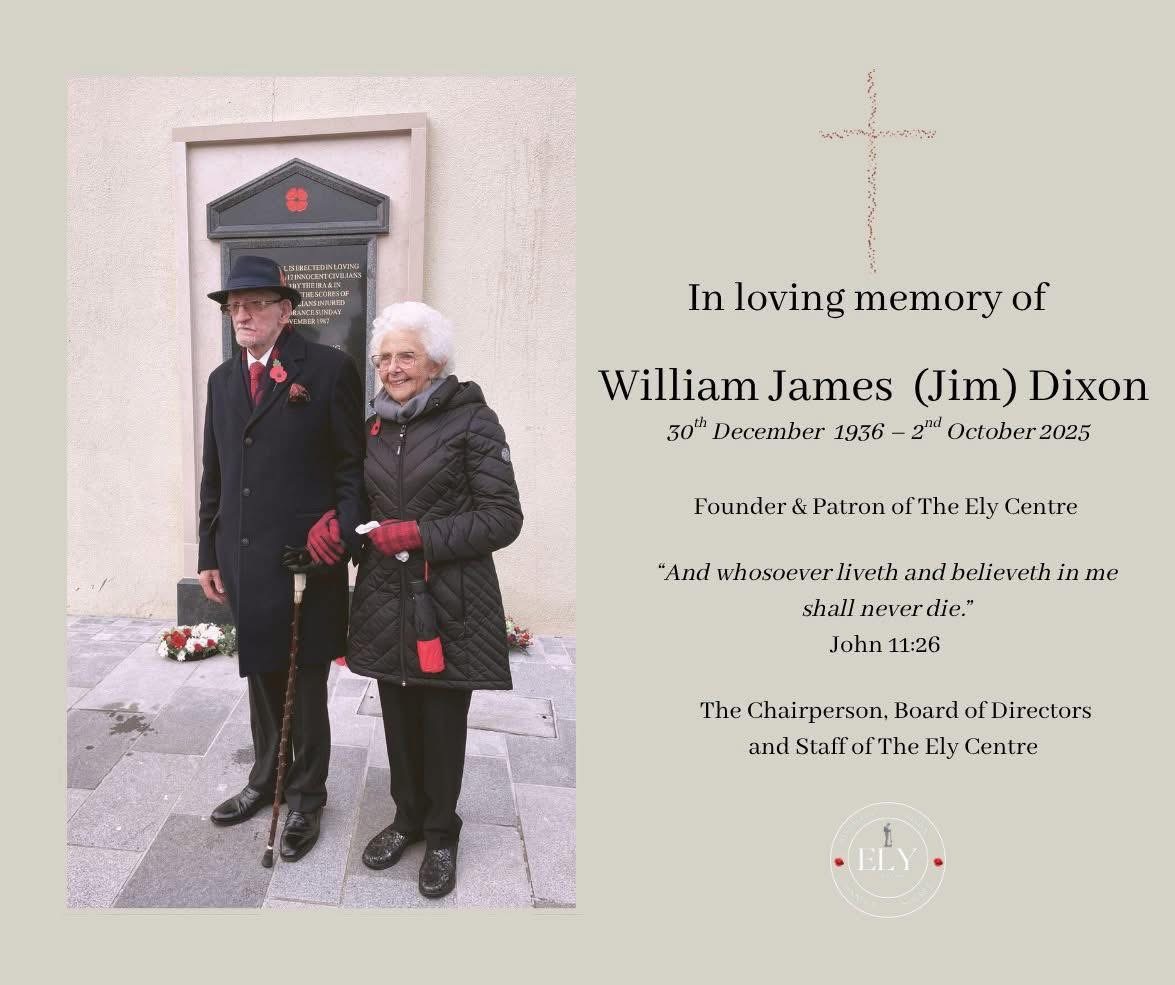
In Memory of Jim Dixon – A Tireless Advocate for Innocent Victims
It is with deep sorrow and profound respect that FAIR – Families Acting for Innocent Relatives – announces the passing of Jim Dixon, a cherished friend, tireless campaigner, and courageous survivor of the Enniskillen bomb.
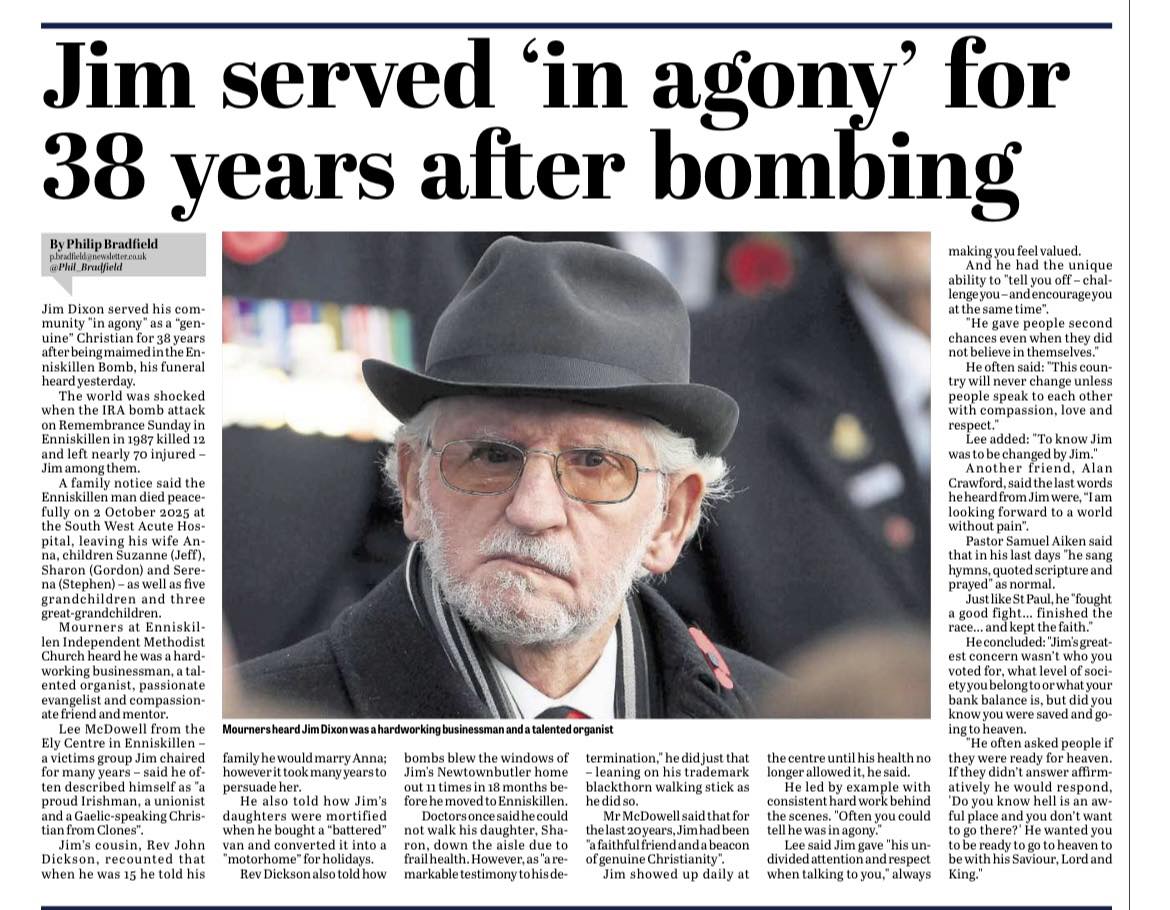
Jim’s life was irrevocably changed on that tragic day in November 1987, when the IRA detonated a bomb during a Remembrance Day service, killing 11 innocent people and injuring dozens more. Though wounded, Jim emerged from the devastation with a quiet determination to ensure that victims of terrorism would never be forgotten, and that their voices would be heard.
From those dark beginnings, Jim became a beacon of hope and resilience in the victims sector in Northern Ireland. He was a leading figure in the historic Long March which highlighted the plight of innocent victims and demanded justice. His leadership and moral clarity inspired many to join the cause and stand firm against the tide of revisionism and political expediency.
Jim’s legacy was further cemented through his founding of the Ely Centre in Enniskillen, a vital support hub for victims and survivors of terrorism. Under his guidance, the Ely Centre became a sanctuary of healing, advocacy, and remembrance, offering practical help and emotional support to those whose lives had been shattered by violence.
Throughout his life, Jim remained steadfast in his principles: truth, justice, and dignity for innocent victims. He was a man of strong Christian faith, quiet strength, unwavering conviction, and deep compassion. His work touched countless lives, and his absence will be felt across the entire victims community. Speaking of the PIRA bomb attack on Remembrance Sunday he recalled his own injuries
“My skull was fractured in a number of areas. My eyes were sitting down on my cheeks when the doctors found me. They had to put my eyes back into place. My mouth was blown out. My jaw was missing on the right-hand side. I was split open nine inches from my chin to my ear. My face and tongue were paralysed. I had nine broken ribs. My pelvis, two hips and one leg were smashed. Three surgeons told me I wouldn’t live. It’s a miracle I survived. The time I spent in hospital was horrendous. I was in intensive care for a very long time.”
FAIR mourns the loss of a true hero and extends our heartfelt condolences to Jim’s family, friends, and colleagues at the Ely Centre. We share in their grief and honour his memory with gratitude and pride.
Jim Dixon’s legacy will endure in every life he helped rebuild, every truth he defended, and every step he took toward justice.
Belfast Newsletter Article

FAIR Responds to Legacy Framework
PRESS RELEASE FAMILIES ACTING FOR INNOCENT RELATIVES (FAIR)
FAIR initial response to the Legacy Framework announcement, as victims consider the context and content of the documents released by the two Governments
"As the two Governments met at Hillsborough Castle on September 19, to announce a new Legacy Framework many victims recalled a previous occasion almost 40 years ago when the same Governments chose the same location to sign the Anglo-Irish Agreement. That Diktat was signed without consultation with and the agreement of the Unionist community. It was an attempt by the British Government to appease and include the Irish Government in an ill-conceived strategy to improve cross-border security and cooperation. It was also an attempt to appease Irish nationalism and was bitterly opposed by unionists. In the end Margaret Thatcher saw the Agreement as a disappointment "our concessions alienated the Unionists without gaining the level of security co-operation we had a right to expect. In the light of this experience, it is surely time to consider an alternative approach”.
Our first concern is that the same strategy is being employed and will have the same results. The Irish state could and should have cooperated fully in an effective cross-border security policy to protect border communities like ours - they refused and played politics with the lives of our loved ones. Today they could and should cooperate fully with the Omagh Inquiry and the Kingsmills and other Inquests but they refuse and still play politics with our lives. They should not try to trade our rights and their responsibilities for political leverage.
Given their role in the creation, financing and facilitation of terrorism and their failure to bring security, justice, or truth before or after the Anglo-Irish or Belfast Agreements what confidence should we have in them now? Why has it taken them this long to introduce the most basic of things like a Legacy Unit within their own police force?
We must also demand clarification from the Irish Government about a worrying statement made by Michael McDowell former Minister for Justice, and Tánaiste who stated “In this state, a de facto moratorium on investigation and prosecution of IRA members (other than those described as dissidents) came into operation.” How does this sit with the Irish criticism and international legal case to the UK which lies at the root of the current British Government concessions on Legacy.
Few lessons it would seem have been learnt from 1985, as it still seems the preferred option of the Births and Irish Governments to negotiate behind the backs of the Unionist community and their political representatives. This is compounded by the failure to include victims. Therefore, we must ask who exactly is this framework meant to appeal to or appease? Is it really about victims and their needs or the need to reset Anglo-Irish relations and appease a Nationalist/republican victims lobby?
Despite our concerns and questions, we will take time to examine the text of the Framework and indeed will interrogate the legislation which will be required to make it work. FAIR and other groups have already placed on record our clear and consistent demands for any process to deal with the legacy of the past. We will use those standards to judge the present framework and its enabling legislation.
We note already that pathways to justice have been reopened and we welcome that, however there must be equality and at present this is not the case. Not all actors are held equally accountable, and not all are committed to participate. We can see how the state can be held accountable however the same is not true of the sub state groups. We are glad that justice is. Not now being traded for truth, however we cannot see a mechanism that will hold terrorist organisations accountable.
While we see measure to reassure veterans it is worrying that these do not form part in the framework. Equally concerning is that protections for veterans may well applied to terrorists. Like many political frameworks the document related leaves more questions than answers and we feel most for families which have already engaged with the ICRIR in good faith. Where will they be left and how will any transition to a Legacy Commission take place.
Finally, we recall the 2014 Stormont House Agreement had three pillars one of which has been totally ignored - the Oral History Archive. At a time when the Republican movement tries to airbrush their atrocities out of history there is a real need for the truth of what happened to be told. Victims have always demanded the right to be heard and groups like FAIR were established to give them a voice.
FAIR will once more, and this is the fifth or sixth time, talk to its members and the wider victims’ community. We will work with our elected representatives to measure this framework and the legislation proposed to enable it. We will decide whether this really does offer a meaningful and effective answer to the questions of dealing with our painful past. “

FAIR Memorial Service Kingsmills
Families Acting for Innocent Relatives (FAIR) paid tribute to the victims of the Kingsmills Massacre with a solemn memorial service in South Armagh. The event aimed to remember and honor the innocent lives lost during this atrocity, as well as to raise awareness about the ongoing pursuit of justice for the affected families.
The Kingsmills Massacre, which occurred in 1976, left a lasting impact on the community, as 10 innocent Protestant workers were brutally murdered by the PIRA while traveling home from work. To this day, justice has not been realised for the families affected by this senseless act of violence.
FAIR, a dedicated victims group committed to supporting those who have suffered from terrorism-related incidents, organised this memorial service to bring together the affected families, friends, and community members. The event provided an opportunity for collective reflection, healing, and solidarity.
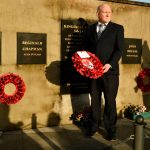
The memorial service included representatives of FAIR, local community leaders, and family members directly affected by the Kingsmills Massacre. A moment of silence was observed to honour the memory of the victims, and attendees had the opportunity to lay flowers and wreaths in remembrance. A wreath was laid by FAIR Chairman and members of the group.
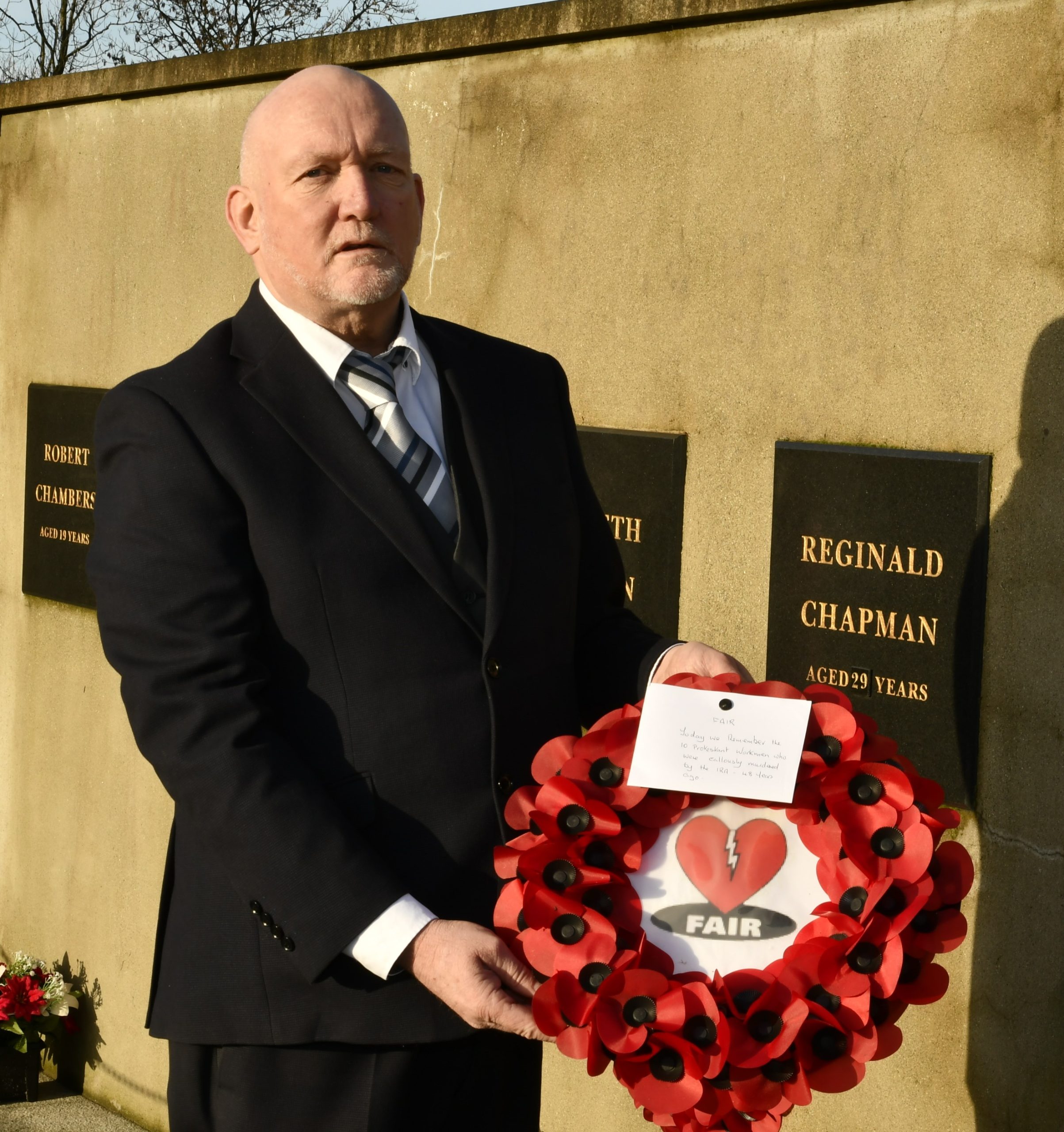
FAIR spokesperson stated, "The Kingsmills Massacre is a painful chapter in our history that continues to resonate with the affected families and the wider community. This memorial service was not only a tribute to the lives lost but also a call for justice and accountability. FAIR remains committed to supporting the affected families in their pursuit of truth and closure."
Members of the media were invited to attend the memorial service, which took place at Whitecross in South Armagh.
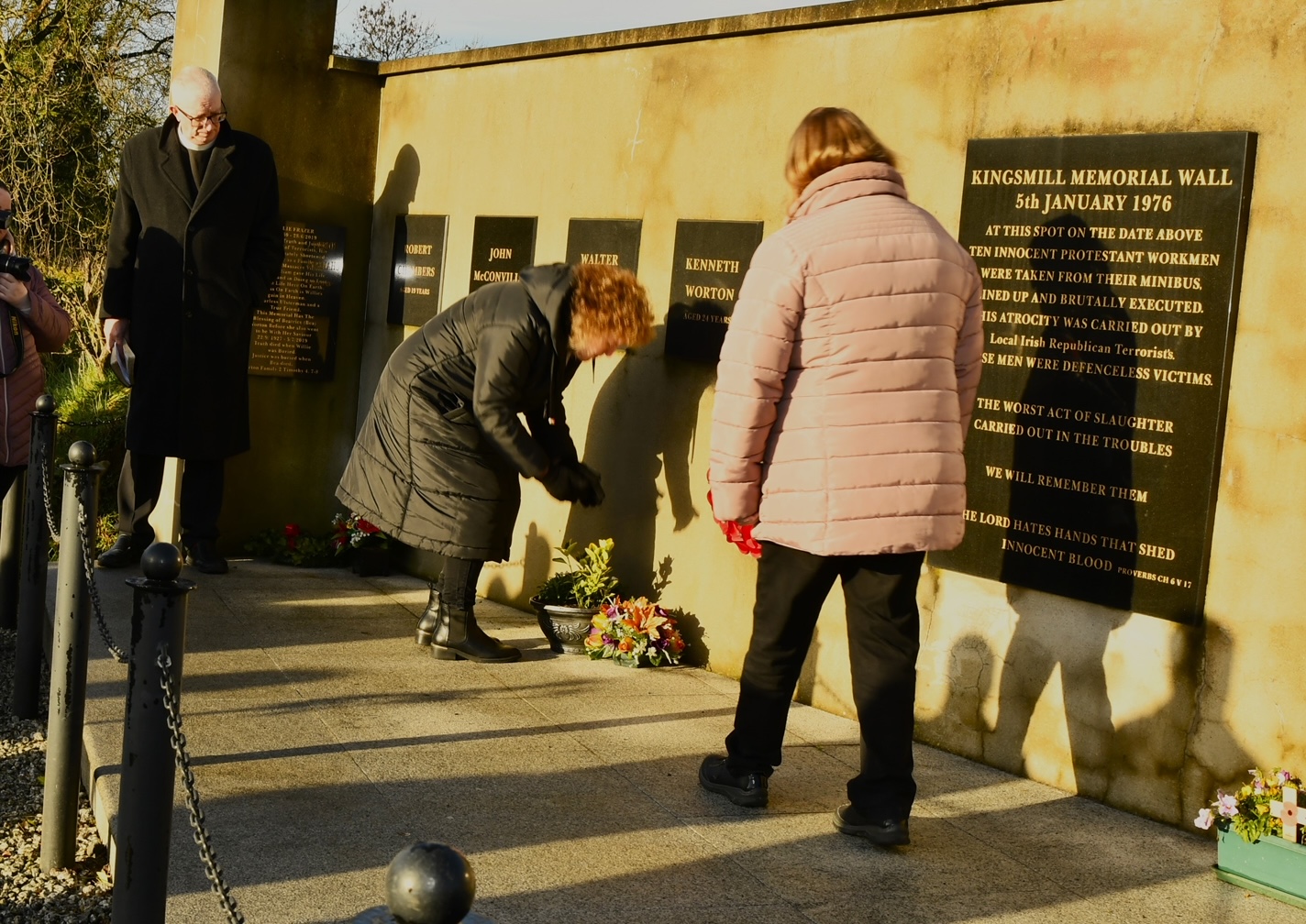








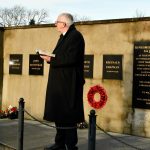


Kingsmills Massacre Memorial 2024
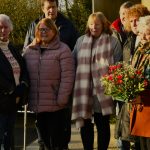
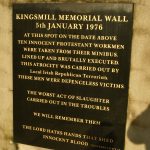
A memorial service for the 48th anniversary of the Kingsmill massacre was organised this morning by FAIR at the memorial erected to mark the victims of one of Northern Ireland's worst atrocities.
The lonely roadside in south Armagh was where 10 innocent Protestant workers were shot dead on a dark January evening as they returned home from work in 1976.
The memorial service was conducted by Rev Graham Middleton who expressed his “privilege and an honour” to take the service, and expressed his solidarity and support for the families.

The 48th Kingsmill Anniversary Remembrance service for the Kingsmill shootings at the memorial wall outside Whitecross in Co. Armagh. 10 Protestant men were shot dead by republicans after their work van was pulled in January 1976. Picture by Jonathan Porter/PressEye
Speaking at the memorial he said
“I guarantee you each one of those families, to each one of them, it’s just like yesterday because it’s still raw," he went on to speak of the comfort of God for those families many of whom were present.
The terrorist ambush had been carefully prepared with multiple killers taking part alongside support teams and scouts. It was not as some alleged a knee-jerk reaction to recent events, nor was it as the PIRA tried to claim an operation carried out by another group. It was a cold calculated act of sectarian barbarity against the minority Protestant population of South Armagh, part of a wider campaign to ethnically cleanse the entire border area of Protestants. That night the men were asked their religion, fearing it was the sole Roman Catholic who was the target they tried to protect him but the terrorists ordered him to flee the scene before murdering the remaining Protestants.
The 11 remaining men to line up outside the van before opening fire, those not killed in the initial hail of gunfire were systematically executed as they lay injured on the ground. Alan Black was the sole survivor, who despite being riddled with bullets lived as the bodies of his workmates covered him.
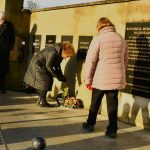
Family members of those killed during the Kingsmill Massacre laid flowers below plaques bearing the names and ages of the victims.
Jacqueline Semple’s brother Kenneth Worton one of the 10 men killed in the attack.
He was 24 at the time and Ms Semple was 22. She said losing her brother was “terrible”.
“There was five of us in the family and we just played normally and had a normal good upbringing and this was just devastation. Never in your wildest dreams – such a tragedy,”
“It was just hard. I was a bridesmaid at his wedding and then he was my best man and, like, there’s only really a year and a half between the two of us and we were so close.”
Ms Semple said it was “raw” to return to the site of the ambush.
“You have to be here. You know, it’s 48 years now and we’re coming here 48 years,... I’m not one for graveyards. I mean, they’re up there, they’re in your heart. But this is nice to have somewhere to go.”
Mourners sang a hymn and a two-minute silence was observed
As the 50th anniversary of the attack approaches, Ms Semple said her family will always remember Mr Worton.
“We speak about him all the day, his photograph’s up, we’re always talking about him.
“And then his two daughters, they were only six and three, and it’s just, it’s a brother, you’ve lost as a whole.
“This was a big thing, like, in 76. I mean, it felt like something out of a different country.
“It brings it all up. It’s hard. It’s hard. He’s always there. He’s always mentioned. Never forget, until the day we die.”
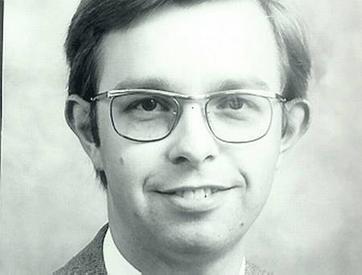
Edgar Graham Anniversary
As we reflect this week on the murder of Human Rights Lawyer Edgar Graham 40 years ago we wonder what his thoughts would have been on the recent Legacy Legislation. We hear much about the killing of so-called human rights lawyers by loyalist paramilitaries, however little has been said and few inquiries have been launched into the serial murder of legal and judicial figures by the PIRA. Edgar Graham was first and foremost a lawyer, an academic and expert who pioneered human rights law in Northern Ireland. In his human rights work Edgar dedicated many hours to working on advancing an application to the European Commission of Human Rights on behalf of 32 applicants, most of whom were widows from the border areas of Northern Ireland and victims of what amounted to an ethnic cleansing of Protestant residents.
A Rising Star
Educated at Ballymena Academy, he graduated with a law degree at Queen's University Belfast (QUB) in 1976, and pursued postgraduate study at Trinity College, Oxford, from 1976. In 1975 Graham was vice-chair of the Queen's University Conservative and Unionist Association; in 1978 during his studies at Cambridge he joined the centre-right Bow group within the Conservative party. In 1979 he became lecturer in constitutional and European Community law at QUB and at the time of his death he was completing a doctorate. Edgar was called to the Northern Ireland bar in 1980, and swiftly established an outstanding reputation. He was assistant editor of the Bulletin of Northern Ireland Law, and in 1982 a fellow in European law at the Salzburg seminar. He made legal submissions to the European Commission of Human Rights on behalf of the widows of victims of terrorism. He published a pamphlet denouncing the Republic of Ireland's unwillingness to extradite terrorist suspects; at the time of his death he was completing another on Sinn Féin's links to paramilitarism, calling for the party to be proscribed and its leaders prosecuted.

He pioneered the use of new and innovative legal avenues to tackle terrorism. As an outspoken defender of the supergrass system, provided the court knew the terms of the deal between state and witness, he pointed to its effective use against the Italian Mafia, and attacked the ‘sophisticated propaganda campaign’ against it.
However it is for his visionary use of Human Rights Law and the European Court of Human Rights to challenge terrorism for which we remember him. He was the first to define and condemn the actions of the PIRA as abuse of Human Rights forming the European Human Rights Unit which represented the case of victims of terrorism for the first time presenting cases to the European Human Rights Commission and United Nations Human Rights secretariat. Alongside local MP Harold McCusker he focused on South Armagh to build his case and exposed the sectarian nature of the PIRA's campaign as well as at the collusion and complicity of the Irish Government in terms of their failure to extradite terrorists.
Speaking in the Northern Ireland Assembly months before he was murdered he was one of the first to use the term 'genocide' for what was happening to border Protestants. In an article in the Belfast News letter in February 1983 we read:
"IRA in ‘campaign of genocide on border’ THE Provisional IRA has mounted a campaign of genocide against the Protestant population in Ulster’s border areas, ‘the Assembly heard yesterday. South Belfast Official Unionist member Edgar Graham said the republican terrorist group was bent on eradicating a particular group of people simply because of their religion. He said many of the group's victims in the border areas had simply been killed because they were Protestants, not because they were members of the security forces. Mr Graham was putting forward a motion condemning Eire's attitude to extradition. It also called on the Government to press the Eire Government to introduce extradition and not to accept any substitute. Mr Graham claimed that extradition was the one major obstacie to the defeat of terrorism in Ireland and it was about time the Eire Government woke up to its responsibilities."
He championed the case of Edith Elliott whose husband George Elliott and brother Jack Donnelly had both been murdered along with over 30 other cases as they exposed the human rights abuses suffered by victims. It was obvious that framing the Troubles in terms of Human Rights was the most potent weapon against terrorism.

The light of that truth and with the effective operation of justice there was real hope that in the early 1980s we could have seen an end to the violence. As a campaign was launched in Europe, the United States and internationally with lawyers taking the lead there was a real hope of truth and justice securing a real peace here. We believe that such was the threat to terrorist organisations of this victims centred lawyer led approach that they determined to kill it at birth. The murder of Edgar Graham who was the brains behind the new strategy and the acceptance by the British Government of the Anglo Irish Agreement effectively killed the initiative. Sadly the unionist community were distracted for almost 15 years and in that time it was the terrorists who took up the tools and terminology of human rights. They literally killed Northern Ireland's human rights lawyer and stole his ideas. We have seen the sickening irony since of generations of lawyers twisting Human Rights to suit the cause and support the actions of terrorism.

It was only in 1998 with the Long March and the foundation of victims groups led by FAIR that real victims rediscovered the value of Human Rights to frame their case. Many of the same victims supported by Edgar Graham joined FAIR and the research around Human Rights abuses and Extradition which was was secured by Edgar in the 1980s was handed over to FAIR's Research and Policy Unit forming the foundation of our work. It was taken forward and formed the basis of what we termed LAWFARE and once more helped victims secure truth and justice. We pay tribute to the life and work of Edgar Graham, the vision he had of supporting victims and securing justice. We continue that work today and are proud to carry on what he started over 40 years ago. As his headstone and memorial in Stormont says
Attack upon the Rule of Law
We must remember that central to the PIRA terrorist strategy was an assault upon not only the police but the judiciary and legal profession. Attack on court houses and their staff as well as widespread witness intimidation and wholesale efforts to subvert the criminal justice system was part and parcel of their strategy. Other senior legal figures murdered include:
- 11th of October 1972 - Resident Magistrate William Staunton, a Catholic, shot dead on the as he drove his daughter, Sally-Ann, to St. Dominic’s convent grammar school on the Falls Road.
- 16th of September 1974, Judge Rory Conaghan, a Catholic, murdered at his home in front of his 9 year old daughter, Deirdre.
- 16th of September 1974, Resident Magistrate Martin McBirney, a Protestant, at his home in front of his family.
- 16th of January, 1983, Judge William Doyle was murdered by the IRA as he came out of Mass in St. Brigid’s Catholic church on Derryvolgie Avenue in Belfast
- 28th of April, 1987, the IRA murdered 73-year-old Appeal Justice Maurice Gibson and his wife Cecily by bombing their car at the border, with collusion between the IRA and the Irish police, An Garda Siochana
- 23rd of July, 1988, in a repeat attack the PIRA tried to murder Catholic Justice Eoin Higgins and his wife but instead killed the entire innocent Hanna family.
The story of his Life and Death
An excellent article and series of podcasts by the Belfast Telegraph have highlighted the the PIRA murder of Edgar Graham a true human rights lawyer whose vision for Northern Ireland was cruelly cut short. In his own words we hear him highlighting the plight of border farmers who themselves lived under threat of assassination. In the chilling account of the murder of this bright young man.
Edgar Graham was just 29 years old when the IRA gunned him down on the street at Queen’s University in south Belfast.
The young law lecturer and unionist politician had a brilliant mind and was widely believed to be a future leader of the Ulster Unionist Party. David Trimble said he’d never have been Ulster Unionist leader if Edgar had lived.
Forty years after a crime which even by the standards of the Troubles shocked Northern Ireland, Sam McBride investigates why the IRA targeted him, whether he was set up by a colleague, and where this lost leader of unionism might have led Northern Ireland.
In this BelTel special documentary, Edgar’s friend Dermot Nesbitt, who was standing beside him when he was killed, revisits the scene for the first time in 20 years as he and others who knew Edgar well tell his story.
Killing Edgar: The IRA murder of Edgar Graham (part one)
Edgar Graham didn’t stand a chance. A gunman approached him from behind, shooting him dead just yards from the law faculty at Queen’s University where he worked.
At just 29, he was one of the most outstanding politicians the Ulster Unionist Party had ever produced and overwhelmingly likely to be a future party leader.
How would he have changed Northern Ireland if he had gone on to lead unionism?
The IRA immediately admitted responsibility for his murder, but why was he singled out?
And Sam McBride tracks down a fellow law lecturer accused of helping the IRA to target Edgar. He hears his first direct comments on the accusations in the 40 years since the killing.
Killing Edgar: The impact of the IRA murder of Edgar Graham (Part two)


Festival of Remembrance 2023
FAIR had a party of 57 attend the Festival of Remembrance in Belfast last night. some members drove there due to restriction in coach 53 seater. They all enjoyed a meal in a Local hotel making this a special evening together. Chairman and wife along with befriending coordinator and Project Manager enjoyed a great view seated in the VIP seating. We were proud to see one of our victims Krystal taking part in the service with a presentation to Lady Brookborough. It was a tremendous evening with fully packed programme of music and dance followed by Service of Remembrance. Excellent and much appreciated event enjoyed by everyone. Thanks and appreciation to the RBL for all their hard work in getting such a great programme together.

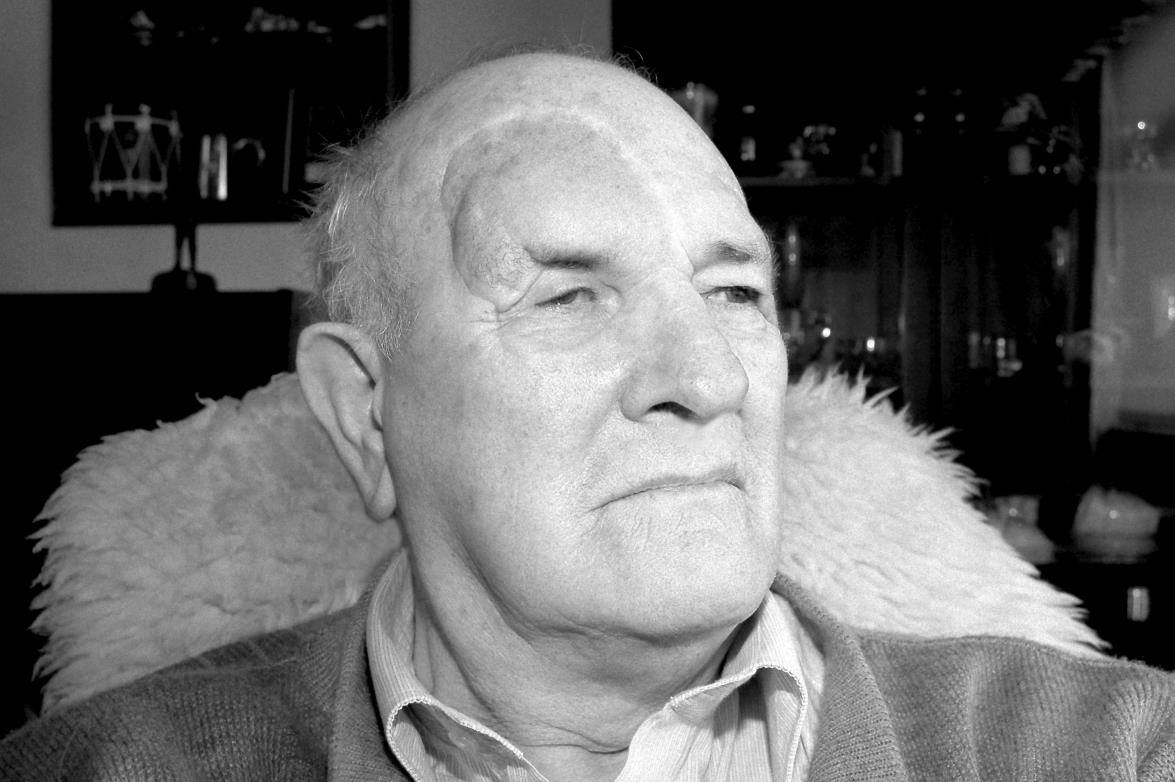
Sammy Hamilton's Story

Sam Malcolmson
Sam had joined the police force in 1969 as a young man and because he had served only three years when he was shot, he has suffered with life changing injuries for five decades surviving on the lowest pension. He has been involved with FAIR since 1998 often at the forefront of campaigns to expose the injustice and inequality faced by many former police officers. His advocacy work for victims has spanned the decades when he founded the Disabled Police Officers' Association (DPOA).

“Pain can leave you sometimes very depressed and in a bad mood” His family have had to live with this, but he is very grateful of their support over the years. “To date we’ve survived, a lot of that is down to the guidance of my wife” Saml Malcolmson
He has been a consistent voice for victims often telling his own painful story to highlight the wider suffering of victims and the absence of justice or truth from the PIRA who were behind the attempt to murder him and his colleague in 1972. FAIR featured Sam's story in their powerful video presentation of victims stories.

Injured In The Troubles - Sam Malcolmson from Northern Visions NvTv on Vimeo.
A powerful video interview with Sam recorded for Our Generation Injured In The Troubles Samuel Malcolmson
Marie Breen-Smyth, Associate Dean International, University of Surrey, talks to Samuel Malcolmson about the injuries he received in a terrorist attack and how it’s effected his life.
In 1972 Samuel Malcolmson was stationed in Crossmaglen in South Armagh when he and a colleague drove into an ambush, they were both shot in the back but they manged to make it back to their Police Station because of the driver, even though he too was shot “I do owe my life to him because he was able to control the car to the police station, I think he was just about to pass out, he actually crashed into the gates”
He remembers being injected with morphine by the local doctor. “I didn’t think you could suffer so much pain, and then I can remember on the way down to the hospital in the ambulance the attendant was trying to keep us on the plinths as they were going around the twisty roads and then after that I don’t remember anything”
Samuel was airlifted to the Royal Hospital in Belfast were he spent nine months. “My two legs were out of action for quite a while, but then lucky enough one of my legs came back to full use but the left leg is now left with paralysis, I excepted the fact that somebody shot me, I was a legitimate target in his eyes but the one thing I could never except was weeks later when my father had to come up to the hospital and tell me that my mum had dropped dead at my bedside, that was the hardest thing to take and to this day him and I can not talk about this incident”
Samuel now suffers from severe back pains and shooting pains up and down his leg, he has to use elbow crutches to walk long distances. “The home and the car are my life, as far as walking is concerned I would do as little as possible because it triggers the pain”
Samuel still thinks about the man who did this to him. “I still want to meet the person who pulled the trigger and I’m convinced I know him, circumstances would narrow it down to a couple of people, there’s not a day in life that goes by were I don’t think of that person, when he and the person with him shot me. The following day when my mum dropped dead beside my bed, did he think ‘I’ve gone to far here I didn’t mean for an innocent person to suffer’ I was a legitimate target in his eyes but did his conscience have a twinge and did he think, ‘There’s a family left now without a mum’ or did he think ‘No that’s even better than I thought, I went out to get two cops and I’ve got three people, I’ve ruined their lives in different ways’ so I still want to meet that person, I want to sit eye to eye and talk to them”
Although it has effected his everyday life, Samuel is still determined to keep a level of independence.
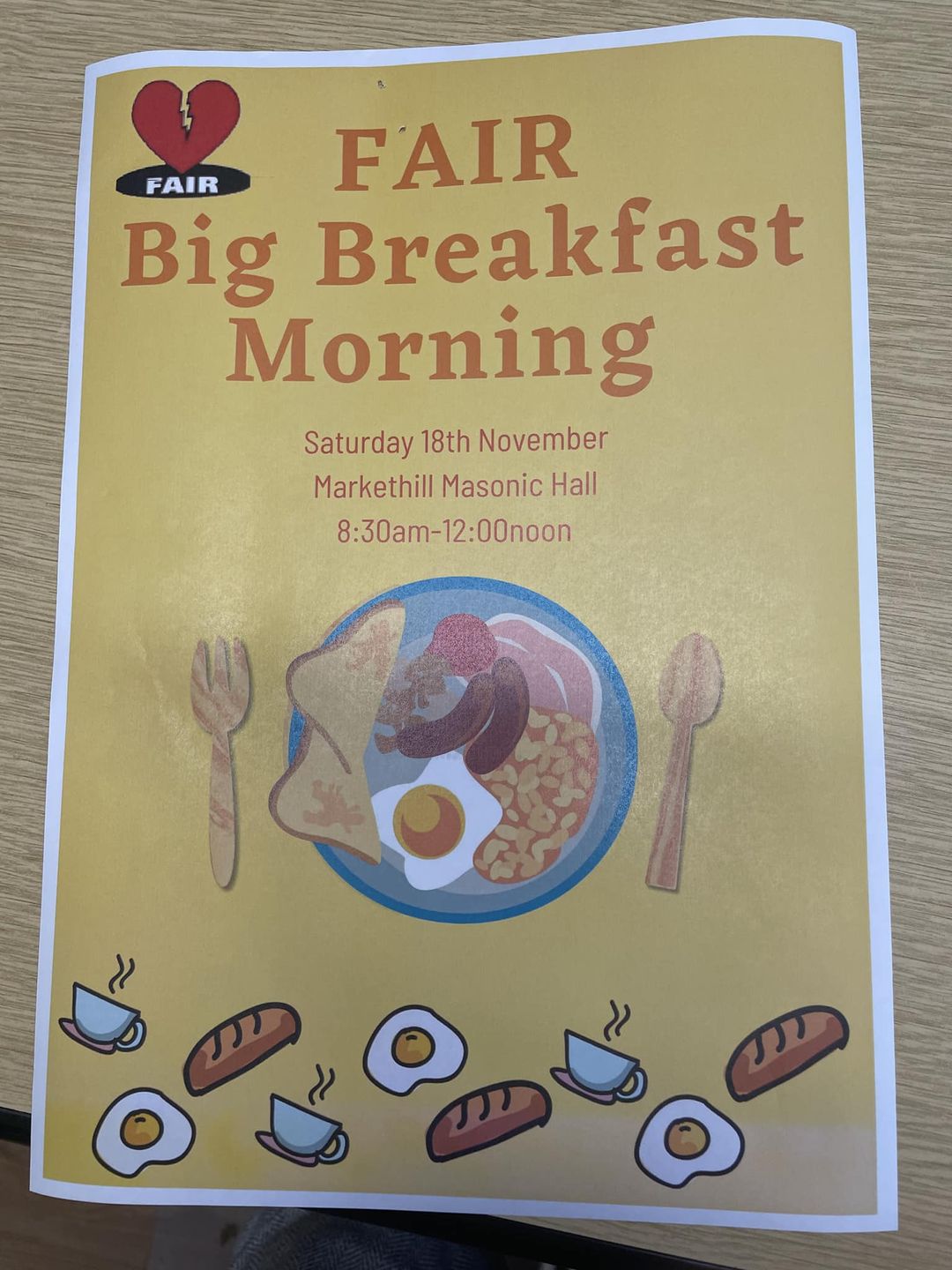
Big Breakfast Fundraiser
Big Breakfast Fundraiser
FAIR wish to thank everyone for their support today with their BIG BREAKFAST, for those who attended and all our volunteers for their hard work. A very successful event. All donations go to FAIR Fundraising account.


Thank you to everyone .